Discover the Top 5 Tanzania National Parks That Make Your Safari Unforgettable
Discover the Top 5 Tanzania National Parks That Make Your Safari Unforgettable
Tanzania national parks offer some of the most awe-inspiring wildlife and landscapes on the planet. Each park is a unique ecosystem, boasting diverse flora, fauna, and cultural experiences that create the ultimate safari adventure. Whether you dream of witnessing the legendary Great Migration or exploring volcanic craters filled with abundant wildlife, Tanzania has a national park that will captivate your heart.
In this guide, we take you through the top five Tanzania national parks—highlighting their size, best visiting seasons, key wildlife, and what makes each park truly special. Use this guide to plan your next unforgettable safari experience.
Overview Table: Top 5 Tanzania National Parks at a Glance
| National Park | Size (sq km) | Best Season | Famous Wildlife | Unique Features |
|---|---|---|---|---|
| Serengeti National Park | ~14,750 | June – October | Wildebeest Migration, Big Five | Endless plains, Great Migration |
| Ngorongoro Conservation Area | ~8,292 | June – October | Black Rhino, Lions, Hyenas | Volcanic Crater, Maasai Culture |
| Tarangire National Park | ~2,850 | June – October | Elephants, Baobabs, Lions | Baobab forests, Elephant migrations |
| Lake Manyara National Park | ~330 | Year-round | Flamingos, Tree-climbing Lions | Birdwatching, alkaline lake |
| Ruaha National Park | ~20,226 | July – October | Lions, Wild Dogs, Elephants | Remote wilderness, miombo woodlands |
The Best Tanzania National Parks to Visit
Serengeti National Park – The Icon of Tanzania National Parks
Size: Approximately 14,750 sq km
Best Season: June to October (dry season, ideal for migration viewing)
Famous Wildlife: The Big Five, Wildebeest, Zebras, Cheetahs, Leopards
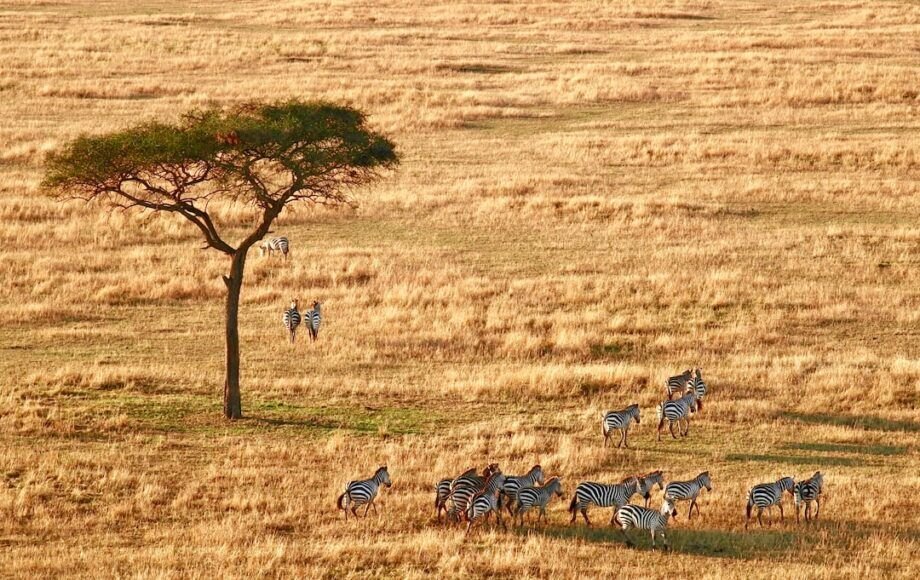
The Serengeti National Park is Tanzania’s flagship and one of the most famous national parks worldwide. It stretches across vast open plains, dotted with iconic acacia trees and endless horizons. The park is synonymous with the Great Migration, an extraordinary wildlife spectacle where over one million wildebeests and thousands of zebras trek hundreds of miles in search of greener pastures.
During this time, predators such as lions and crocodiles create dramatic wildlife interactions that thrill safari-goers. The Serengeti’s diverse ecosystem supports not only the Big Five—lion, leopard, elephant, buffalo, and rhinoceros—but also cheetahs, hyenas, and hundreds of bird species.
Visitors can enjoy game drives at dawn and dusk when animals are most active, stay in luxury lodges or authentic tented camps, and experience the raw beauty of Tanzania’s wilderness.
Ngorongoro Conservation Area – A Unique Volcanic Crater Experience
Size: Approximately 8,292 sq km (including the crater)
Best Season: June to October
Famous Wildlife: Black Rhino, Lions, Hyenas, Wildebeest, Zebras
Ngorongoro Conservation Area offers a rare blend of geological wonder and rich biodiversity. The centerpiece is the Ngorongoro Crater—a massive, ancient volcanic caldera about 260 sq km in size. It is one of the world’s largest unbroken calderas, and its walls rise dramatically around a floor teeming with wildlife.
The crater’s relatively small size allows visitors to see a dense concentration of animals, including rare black rhinos, which are notoriously difficult to spot elsewhere. The crater is also home to large lion prides, hyenas, elephants, and a variety of antelope species.
A visit to Ngorongoro also offers cultural enrichment, as the Maasai people live around the crater rim, continuing their traditional pastoralist lifestyle. Many safaris include visits to Maasai villages to learn about their customs and crafts.
Tarangire National Park – Known for Elephants and Baobab Trees
Size: Approximately 2,850 sq km
Best Season: June to October (dry season when elephants congregate)
Famous Wildlife: Elephants, Lions, Leopards, Giraffes, Zebras
Tarangire National Park is often overlooked but offers an intimate safari experience full of unique sights. The park is named after the Tarangire River, a lifeline for animals during the dry season.
One of the park’s highlights is its massive elephant herds, which gather in large numbers around the river. The iconic baobab trees, with their enormous trunks and distinctive shapes, provide a stunning backdrop for photography.
Tarangire’s varied habitats range from riverine forests to savannah plains and rocky outcrops, supporting a diverse array of wildlife. Bird enthusiasts will delight in spotting over 500 species, including the rare yellow-collared lovebird.
Lake Manyara National Park – Birdwatcher’s Paradise in Tanzania National Parks
Size: Approximately 330 sq km
Best Season: Year-round, best birdwatching during dry season
Famous Wildlife: Flamingos, Tree-climbing Lions, Elephants, Hippos
Lake Manyara National Park may be one of the smallest Tanzania national parks, but it offers a remarkable diversity of habitats packed into a compact area. The alkaline lake dominates the landscape, often dotted with hundreds of vibrant pink flamingos that create an unforgettable spectacle.
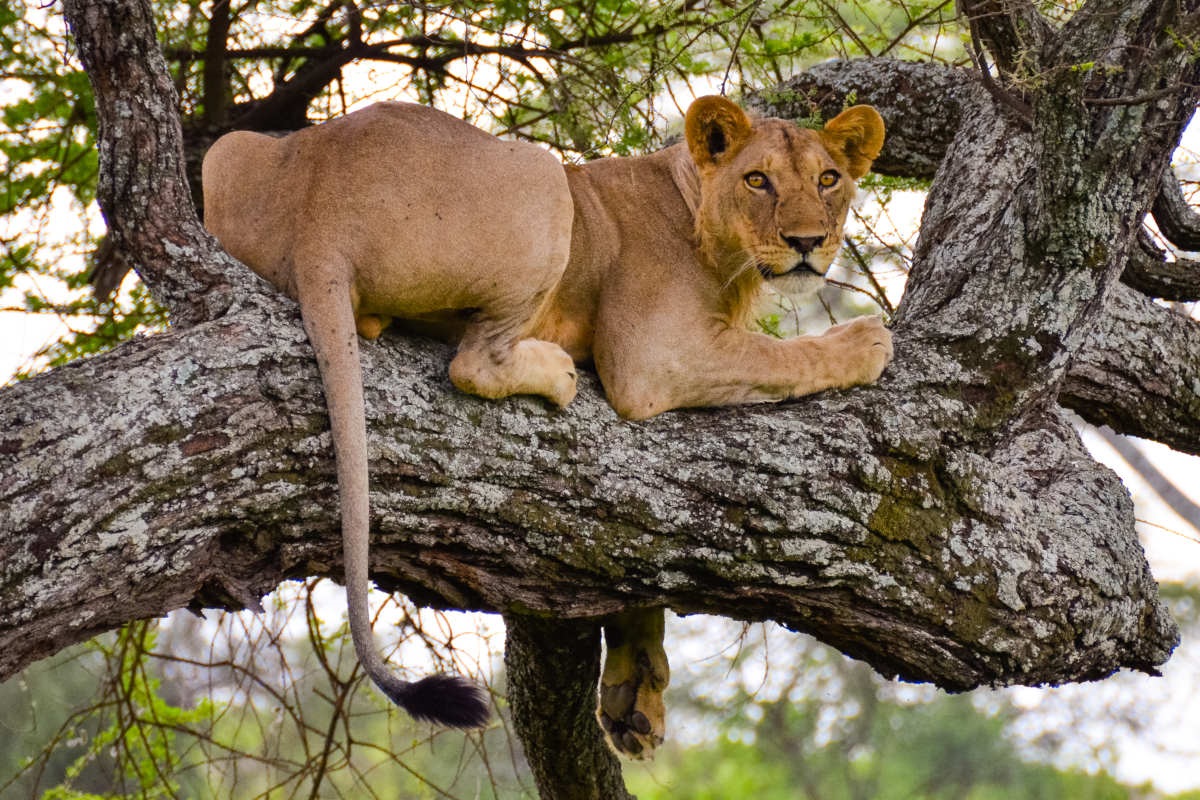
The park’s dense forests provide shelter to troops of baboons and blue monkeys, while the open plains are home to elephants and buffaloes. Lake Manyara is especially famous for its unique tree-climbing lions, a rare behavior where lions rest in acacia trees to escape heat or insects.
Bird watchers flock here to spot a variety of species including fish eagles, pelicans, and storks. The mix of wetlands, forest, and grassland makes this park a microcosm of Tanzania’s rich biodiversity.
Ruaha National Park – Tanzania National Parks’ Best Kept Secret
Size: Approximately 20,226 sq km
Best Season: July to October
Famous Wildlife: Lions, Wild Dogs, Elephants, Leopards
Ruaha National Park is Tanzania’s largest and one of its wildest parks. Less visited than the Serengeti or Ngorongoro, Ruaha offers a genuine wilderness experience where visitors can enjoy solitude and raw nature.
The park is renowned for its large lion prides and one of the largest populations of endangered African wild dogs. Elephants roam freely amid miombo woodlands and baobab forests, while the Ruaha River sustains diverse animal life.
This park is perfect for travelers looking for an off-the-beaten-path adventure with opportunities to see large predators and a wide variety of bird species.
Why Tanzania National Parks Should Be on Your Bucket List
Visiting Tanzania national parks guarantees some of the most rewarding safari experiences in Africa. Each park offers a distinct blend of landscapes, wildlife, and cultural encounters. From the world-famous Great Migration in the Serengeti to the peaceful wilderness of Ruaha, Tanzania’s parks deliver unforgettable memories.
Planning your trip to include several parks allows you to experience diverse ecosystems and maximize your wildlife sightings.
Planning Your Safari to Tanzania National Parks
- Best time to visit: June to October (dry season for most parks)
- Tour options: Guided safaris by experienced operators enhance wildlife viewing and cultural experiences
- Accommodation: Ranges from luxury lodges to authentic tented camps
- Travel tips: Bring binoculars, cameras, and dress in neutral colors for optimal wildlife viewing
Final Thoughts
Whether it’s the sweeping Serengeti plains, the spectacular Ngorongoro Crater, or the tranquil shores of Lake Manyara, Tanzania national parks offer something truly special. Start planning your safari today and prepare to explore some of the world’s most extraordinary natural treasures.
Read More:
Tanzania National Parks Official Website, Tanzania Tourism Board
All Categories
Recent Posts
Zanzibar island hopping: Best Routes and Tips 2025