Introduction
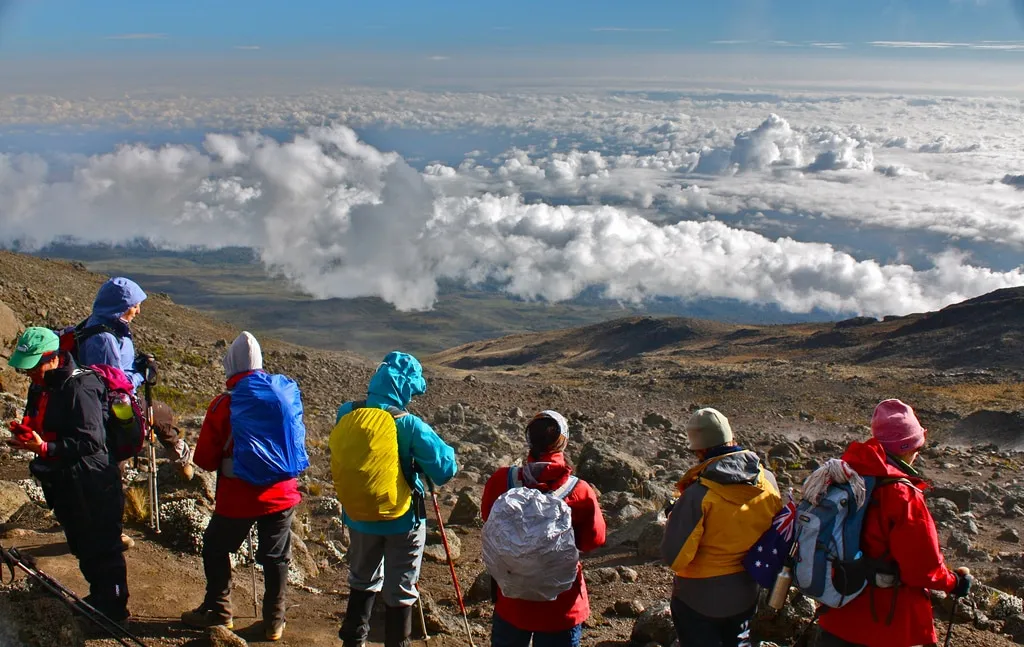
Climbing Mount Kilimanjaro is more than a trek—it’s a life-changing journey to the highest point in Africa. Whether you’re an experienced hiker or a first-time climber, this guide will walk you through the essentials of preparing, choosing your route, and making your dream summit a reality. This post covers what to expect, the best time to climb, how to train, what to pack, and how to choose the right route for your skill level.
Why Climb Mount Kilimanjaro?
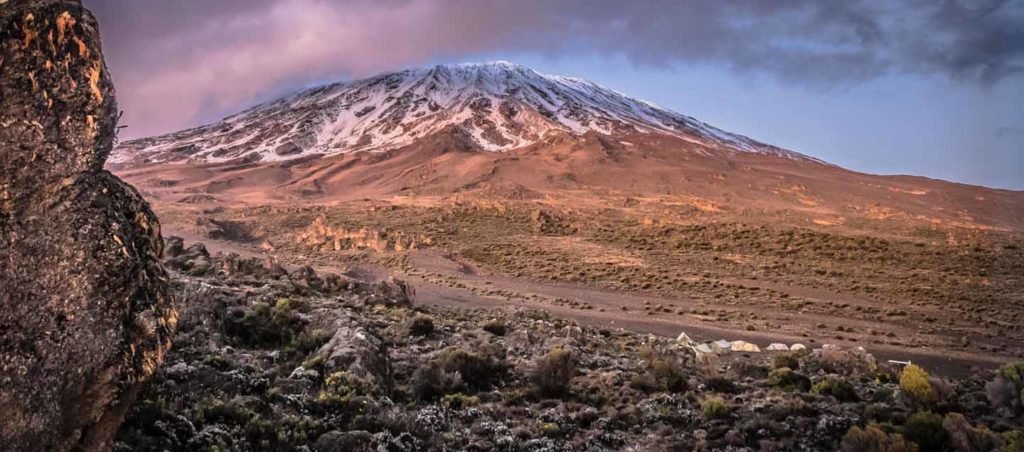
Mount Kilimanjaro offers a unique challenge: reaching 5,895 meters above sea level without the need for technical climbing. It’s one of the world’s most accessible high summits, yet still demands physical stamina, mental grit, and thoughtful preparation. You’ll travel through five climate zones, from lush rainforest to arctic summit, making the journey incredibly diverse and rewarding.
Whether you’re chasing a personal goal, celebrating a milestone, or simply craving adventure, the climb delivers awe-inspiring vistas, a profound connection with nature, and a sense of accomplishment that stays with you forever.
Choosing the Right Route
There are several routes up Kilimanjaro, each offering a different experience. Here’s a breakdown to help you decide:
| Route | Difficulty | Duration | Scenery | Crowds |
|---|---|---|---|---|
| Marangu | Easy | 5–6 days | Moderate | High |
| Machame | Medium | 6–7 days | Very Scenic | High |
| Lemosho | Medium | 7–8 days | Stunning | Low |
| Rongai | Medium | 6–7 days | Remote, Dry | Low |
| Northern | Challenging | 8–9 days | Remote, Wild | Very Low |
- Marangu Route: The only route with hut accommodations. Suitable for those seeking a quicker, easier trek with basic comfort.
- Machame Route: Popular due to its scenic variety. Ideal for fit climbers who want a balanced challenge.
- Lemosho Route: Offers great acclimatization, solitude, and views. Perfect for those wanting fewer crowds and a high summit success rate.
- Rongai Route: Approaches from the north with dry landscapes and lower traffic.
- Northern Circuit: The longest and quietest route, offering the best acclimatization but requires more time and endurance.
Acclimatization and Altitude Awareness
Altitude sickness is the number one reason people fail to reach the summit. Gradual ascent and proper acclimatization are essential. Many climbers opt for longer routes to increase their chances. Paying attention to your body and your guide’s advice is crucial.
Common Symptoms of Acute Mountain Sickness (AMS):
- Headaches
- Nausea or vomiting
- Dizziness
- Fatigue and shortness of breath
Preventive Measures:
- Choose a longer route to increase acclimatization
- Ascend slowly and rest frequently
- Drink plenty of fluids
- Avoid alcohol and sedatives
- Use altitude medication if recommended by a healthcare provider
Remember: It’s better to descend and stay safe than to push through and risk serious health complications.
Best Time to Climb
Kilimanjaro can be climbed year-round. However, these are the ideal seasons:
- January to March: Cooler temperatures with fewer climbers. Good chance of snow at the summit.
- June to October: Dry, clear skies with warmer daytime temps. Most popular season.
- March to May: Heavy rains make trails slippery and views hazy. Only recommended for experienced hikers seeking solitude.
- November to early December: Short rains but still manageable for well-prepared trekkers.
What to Pack and Prepare
Preparation is key for a successful summit. Your packing list should support layering, weather protection, and personal comfort.
| Category | Essential Items |
| Clothing | Thermal base layers, fleece jacket, windproof outer shell, rain gear, gloves, hat |
| Footwear | Broken-in waterproof hiking boots, gaiters, warm socks, camp sandals |
| Sleeping Gear | Sub-zero sleeping bag, insulated sleeping mat |
| Accessories | Headlamp, water bottles/hydration bladder, trekking poles, camera |
| Toiletries | Eco-friendly soap, wet wipes, sunscreen, lip balm, first aid kit |
| Documents | Passport, travel insurance, vaccination records |
Training Recommendations:
- Begin training 8–12 weeks before your climb
- Focus on cardio, stair climbing, and strength training
- Practice hiking on consecutive days with a loaded pack
- Do altitude hikes if you live near mountains or use a high-altitude gym
Guided Climbs and Safety
You are required to hire a licensed local guide to climb Mount Kilimanjaro. Most packages include guides, porters, meals, camping equipment, and park fees.
Choose a reputable tour operator—they’ll not only ensure your comfort but also your safety. Trained guides monitor your health using pulse oximeters and provide emergency support. Daily health checks, pre-trek briefings, and proper meal plans are all standard in well-organized climbs.
Respect the mountain, listen to your guides, and always follow safety instructions. Emergencies like altitude sickness or injuries are rare with proper care, but preparation and communication are key.
Reaching the Summit
Summit night begins around midnight from the final base camp (often Barafu Camp). You’ll ascend slowly in the dark, taking short breaks as needed. It’s a test of willpower as much as strength. The goal is to reach Stella Point by sunrise and continue to Uhuru Peak, the true summit.
On clear mornings, you’ll witness a breathtaking sunrise above the clouds—a reward that makes every grueling step worth it.
Climbers often describe the experience as deeply personal, emotional, and transformative. Despite the physical toll, standing at the roof of Africa with sweeping views across Tanzania is unforgettable.
Internal Links
- Ultimate Safari in Tanzania Guide
- Zanzibar Beach Holiday Guide
- Best Time to Visit Tanzania for Safari
- Official Kilimanjaro National Park Info