
A Day with the Maasai cultural Tour: What It’s Really Like in 2025
A Day with the Maasai cultural Tour: What It’s Really Like in 2025
One of the most enriching experiences travelers can have in Tanzania is spending a day with the Maasai people—a semi-nomadic tribe renowned for their vibrant traditions, striking red attire, and deep connection to nature and livestock.
A Maasai cultural tour isn’t a show—it’s a chance to respectfully witness a way of life that has thrived for centuries. This post will take you through a full day inside a Maasai boma (village), offering a genuine glimpse into their daily life, traditions, and wisdom.
Let’s walk through what you’ll experience, hour by hour, in this unforgettable cultural encounter.
Where Does a Maasai Cultural Tour Take Place?
Best Locations:
| Region | Nearby Destination |
|---|---|
| Ngorongoro | Ngorongoro Conservation Area |
| Monduli | Near Arusha |
| Longido | North of Mount Meru |
| Simanjiro | South of Arusha |
These areas are known for authentic, community-led experiences that go beyond tourism stereotypes.
9:00 AM – Arrival and Traditional Welcome
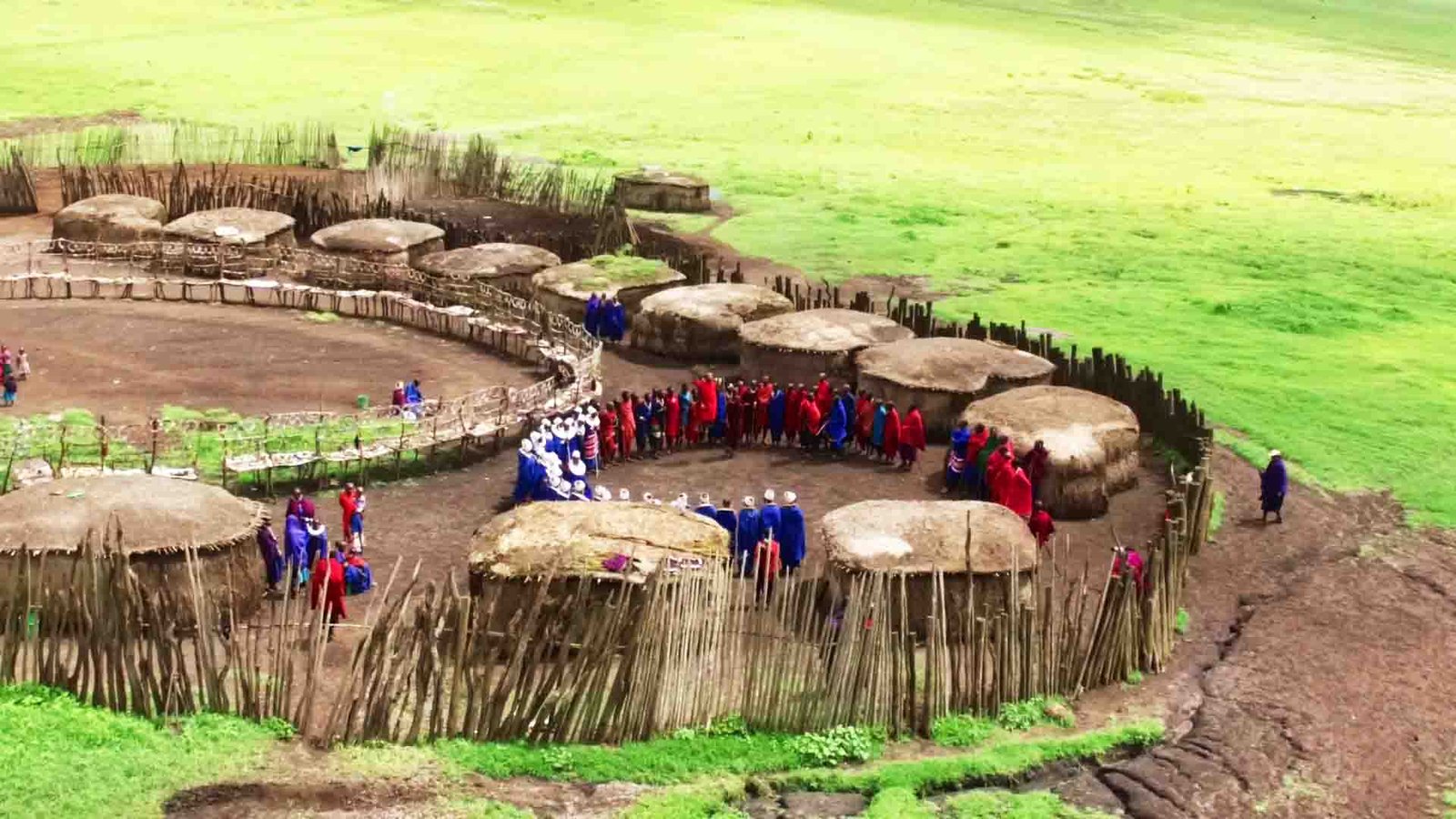
As you arrive at the boma, you’re greeted with rhythmic singing and jumping from a line of smiling Maasai warriors and women. The Adumu, or warrior jumping dance, is more than just spectacle—it’s a celebration of strength, energy, and welcome.
What to Expect:
- Beaded necklaces offered as a gesture of friendship
- A warm greeting of “Sopa” (hello in Maa language)
- Introduction to your Maasai host, often a chief or elder
Tip: Dress modestly, bring sun protection, and carry a respectful attitude. This is not a performance—it’s a window into a proud community.
10:00 AM – Boma Tour and Daily Life
Your guide, often a young warrior fluent in English or Swahili, walks you through the boma—made of mud, sticks, and cow dung. These circular structures are designed to house families and livestock in harmony.
Highlights:
| Activity | Description |
|---|---|
| Homestead Tour | See inside the traditional huts (enkaji) |
| Livestock Introduction | Learn how cows, goats, and sheep define wealth |
| Daily Chores | Try carrying water or milking a goat |
| Fire-Making Demo | Watch or try the age-old method of creating fire |
The Maasai live in harmony with nature, and every element of their village reflects purpose, resilience, and tradition.
11:30 AM – Ancient Wisdom: Storytelling and Beliefs
Under the shade of an acacia tree, you’ll sit with elders who share their community’s values. The Maasai don’t rely on written texts—their oral traditions are rich and preserved through generations of storytelling.
Common Themes Shared:
- The meaning of cows in Maasai cosmology
- Roles of warriors (Morans), elders, and women
- Rites of passage like circumcision, naming ceremonies, and marriage
- Tales of bravery, resilience, and natural harmony
The Maasai believe all cattle were entrusted to them by God (Enkai), which shapes their stewardship of the land and livestock.
1:00 PM – Traditional Maasai Meal
Time to eat. Depending on the region and season, you may share a simple, hearty meal made from local ingredients. While the Maasai diet traditionally includes milk, blood, and meat, today’s meals may blend in vegetables or maize porridge (ugali).
Sample Menu:
| Dish | Notes |
|---|---|
| Nyama Choma | Grilled goat meat, seasoned and slow-cooked |
| Ugali | Cornmeal porridge, eaten with hands |
| Milk or Tea | Often flavored with herbs or cow ghee |
Vegetarian alternatives can be arranged with advance notice.
2:00 PM – Beading Workshop or Traditional Dance
The second part of the afternoon allows you to dive into creative and communal activities. Women may guide you through beading workshops—an art form that tells stories of age, status, and beauty.
Activities May Include:
- Beading a bracelet to take home
- Learning color symbolism (red for bravery, white for peace, etc.)
- Participating in a farewell warrior dance circle
- Trying out traditional attire (shuka) for fun photos
Respect tip: Always ask before taking photos, especially of children or elders.
3:30 PM – Farewell and Reflections
As the sun lowers, your guide brings the visit to a close. You may be invited to leave a message in a guest book or write a small blessing. Many travelers describe this moment as deeply moving—a rare, humbling glimpse into another way of living.
Your contribution or purchase (such as handmade jewelry) helps sustain the village and support education and healthcare projects.
Responsible Travel: Things to Keep in Mind
Not all Maasai cultural tours are equal. Some are commercialized or staged, offering little benefit to the community. Here’s how to do it right:
Choose Responsible Operators:
- Community-led or nonprofit initiatives are ideal
- Ask how much of your fee stays in the village
- Avoid tours that treat the Maasai like zoo exhibits
Be a Respectful Guest:
- Learn basic Maa greetings:
- Sopa (hello)
- Ashe oleng (thank you very much)
- Don’t interrupt prayers or rituals
- Keep your phone on silent and minimize intrusive behavior
- Dress modestly—especially women should cover knees and shoulders
Optional Add-On: Overnight Stay in a Maasai Camp
Some villages now offer cultural immersion overnight stays, including:
- Sleeping in a Maasai hut or eco-cabin
- Campfire stories and stargazing
- Early morning herding experience
- Donation to local schools or women’s groups included
It’s not luxury—but it’s deeply authentic, raw, and memorable.
Final Thoughts: More Than Just a Tour
A Maasai cultural tour isn’t about entertainment—it’s about connection. You’ll leave with more than photos. You’ll carry the stories, the smiles, and the lessons of people who live close to the earth, governed by values of courage, respect, and harmony.
If you truly want to understand Tanzania, spend a day with the Maasai. It may reshape how you see the world.
All Categories
Recent Posts

Zanzibar island hopping: Best Routes and Tips 2025