Tanzania is a land of extraordinary wildlife and majestic landscapes—but to truly understand the country, you must go beyond the game drive. The most memorable part of many trips is often the Tanzania cultural experiences—sharing stories with a Maasai elder, roasting coffee with a Chaga farmer, or learning to cook Swahili pilau in Zanzibar.
With more than 120 ethnic groups and a rich blend of African, Arab, and colonial heritage, Tanzania offers diverse cultural encounters that are both meaningful and immersive. In this guide, we’ll explore the top 7 cultural experiences that let you connect with the heartbeat of this beautiful country.
1. Visit a Maasai Boma: Warrior Traditions and Deep Heritage
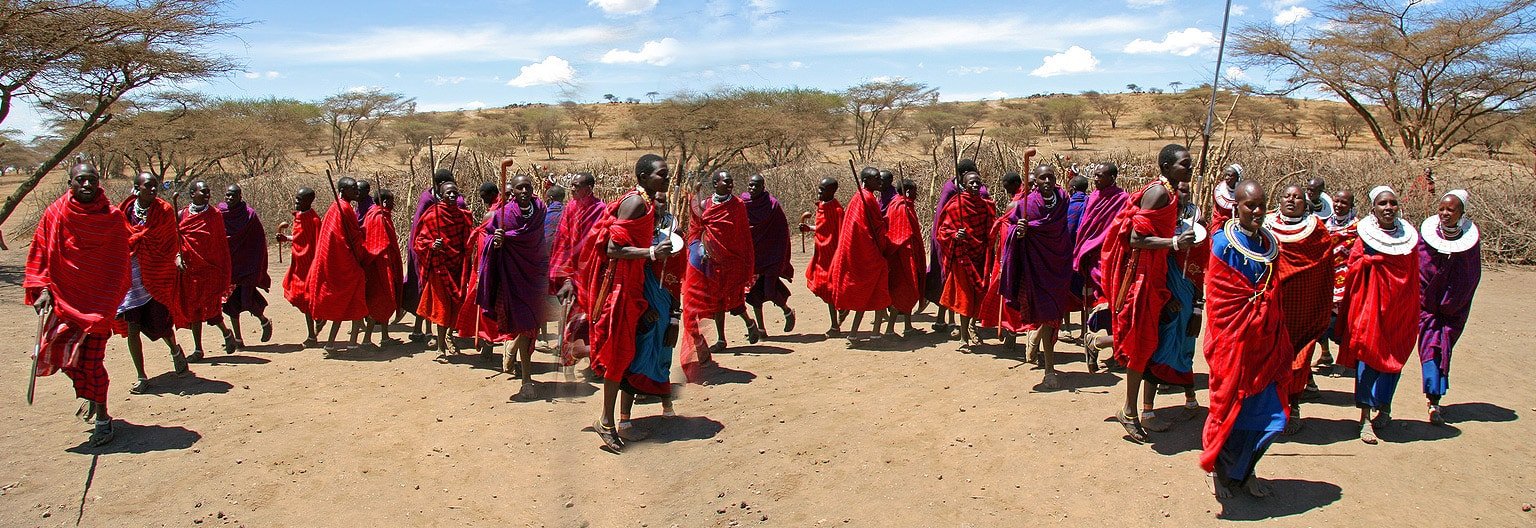
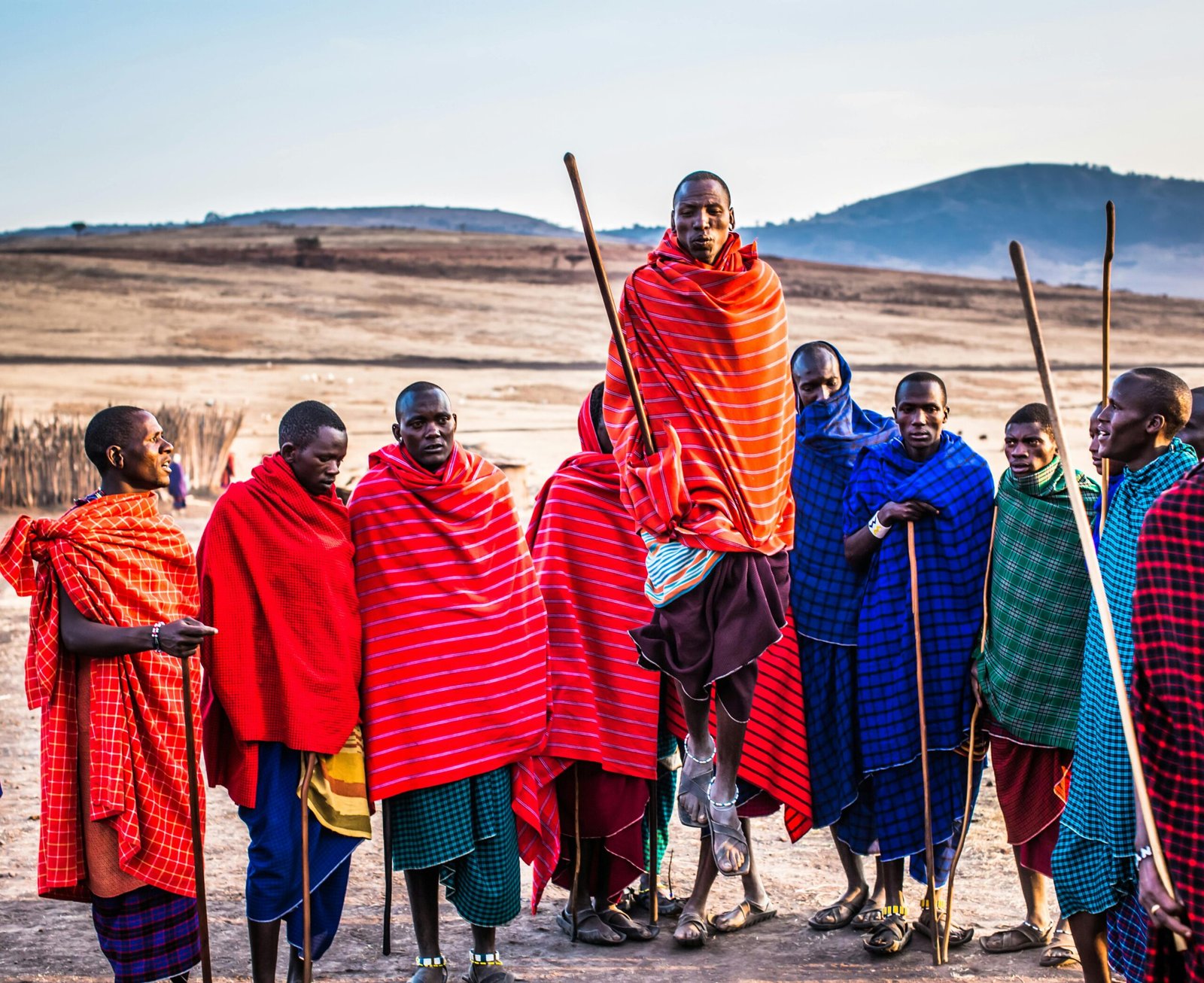
The Maasai are one of Tanzania’s most iconic tribes, easily recognizable by their red shukas (robes), intricate beadwork, and proud bearing. Visiting a Maasai boma (homestead) offers a glimpse into a way of life rooted in cattle, oral storytelling, and age-old warrior traditions.
What to Expect:
- Traditional dance performances
- Bead-making workshops
- Fire-making demonstrations
- Insights into Maasai roles, ceremonies, and beliefs
Where to Go: Ngorongoro, Longido, Monduli, or the Serengeti border
Insider Tip: Choose community-led experiences that support Maasai livelihoods.
2. Go Hunting with the Hadzabe: One of Africa’s Last Hunter-Gatherer Tribes
The Hadzabe, who live near Lake Eyasi, are among the last true hunter-gatherers in Africa. Their language features clicks and pops, and their survival depends entirely on nature. Joining them on a morning hunt offers an intimate and raw cultural exchange.
What to Expect:
- Tracking small animals with bows and arrows
- Identifying edible roots, fruits, and honey
- Learning how they use plants for medicine
- Observing fire-making using natural tools
Where to Go: Lake Eyasi region
Ethical Note: Respect their privacy and choose small-group, low-impact visits.
3. Roast Coffee with the Chaga People on Mount Kilimanjaro
The Chaga, who live on the slopes of Mount Kilimanjaro, are known for their ingenious irrigation, underground caves, and especially their coffee farming. A visit to a Chaga village is full of earthy aromas, hands-on fun, and fascinating stories.
What to Expect:
- Walk through banana plantations and coffee trees
- Roast and grind beans using traditional tools
- Learn about the history of Chaga resistance and their tunnel networks
- Taste local banana-based cuisine like machalari
Where to Go: Marangu or Machame villages, Kilimanjaro region
Pro Tip: Combine this with your Kilimanjaro trek or as a post-climb cultural day.
4. Explore Swahili Culture in Zanzibar: Spice, Music, and Maritime Life
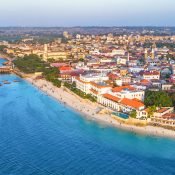
Zanzibar isn’t just about beaches—it’s the historic heart of Swahili culture, where African, Arab, and Persian influences blend into a unique coastal identity. From the scent of spices to the call to prayer echoing through Stone Town, the island is a sensory feast.
What to Expect:
- Guided walking tour of UNESCO-listed Stone Town
- Spice plantation tours (clove, nutmeg, cinnamon)
- Cooking lessons in traditional Swahili homes
- Music and dance—listen to taarab, try ngoma drum rhythms
Where to Go: Zanzibar Island—Stone Town, Paje, Jambiani
Fun Fact: Swahili is not just a language, but a coastal cultural identity stretching across East Africa.
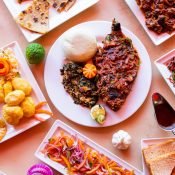
5. Taste Tanzania Through a Traditional Cooking Class
Food is culture—and in Tanzania, it tells stories of family, celebration, and survival. Taking a local cooking class allows you to roll up your sleeves, share a meal, and connect through flavors.
Popular Dishes to Learn:
- Ugali: Tanzania’s national staple made of maize flour
- Pilau: Spiced rice often served at celebrations
- Nyama Choma: Grilled meat, often shared around a fire
- Mishkaki: Spicy meat skewers
- Chapati: Soft flatbread
Where to Go: Arusha, Moshi, Zanzibar, or with local families in rural areas
Bonus: Visit local markets with your host to buy fresh ingredients.
6. Shop at Local Markets and Art Villages
Skip the souvenir shops—local markets are where real Tanzanian life unfolds. Whether you’re hunting for vibrant kitenge fabrics, hand-carved Makonde wood sculptures, or colorful Tinga Tinga paintings, these spots offer cultural interaction and economic support to artisans.
What to Expect:
- Open-air markets buzzing with life
- Tinga Tinga art studios (Dar es Salaam, Arusha)
- Hand-woven baskets, beaded jewelry, and musical instruments
- Bargaining, smiles, and great photo ops
Where to Go: Arusha Central Market, Mwenge Art Market (Dar), Bagamoyo art centers
Tip: Always ask permission before photographing vendors.
7. Attend a Local Festival or Ceremony
If you time your trip right, attending a local festival or cultural ceremony can be a life-changing experience. These events are packed with dance, music, and rituals that offer insight into Tanzania’s communal spirit and deep traditions.
Events to Watch For:
- Sauti za Busara: Swahili music festival in Zanzibar (February)
- Bagamoyo Arts Festival: Celebrating music, dance, and art
- Weddings or Harvest Ceremonies: Often open to guests in rural areas
Where to Go: Zanzibar, Bagamoyo, rural communities
Reminder: Respect boundaries and ask before participating or photographing.
Responsible Cultural Travel: How to Make a Positive Impact
When engaging in Tanzania cultural experiences, always travel with sensitivity and respect. Here’s how:
- Support community-owned and locally-run tours
- Learn some basic Swahili greetings
- Dress modestly, especially in villages and Muslim areas
- Avoid exploitative or “zoo-like” cultural setups
- Leave no trace—pack out everything you bring in
Final Thoughts
Tanzania’s cultural tapestry is as vibrant and diverse as its wildlife. Taking time to connect with its people adds richness to your trip, shifts your perspective, and supports local communities.
So while the Serengeti and Kilimanjaro may be the stars, the real magic happens when you share a story over fire, laugh with a village elder, or learn a recipe passed down through generations.
Let the Tanzania cultural experiences be the heart of your journey—and return home with more than just safari photos, but a soul full of connection.